OEM Milling Tools: Custom Tooling Capabilities for Buyers
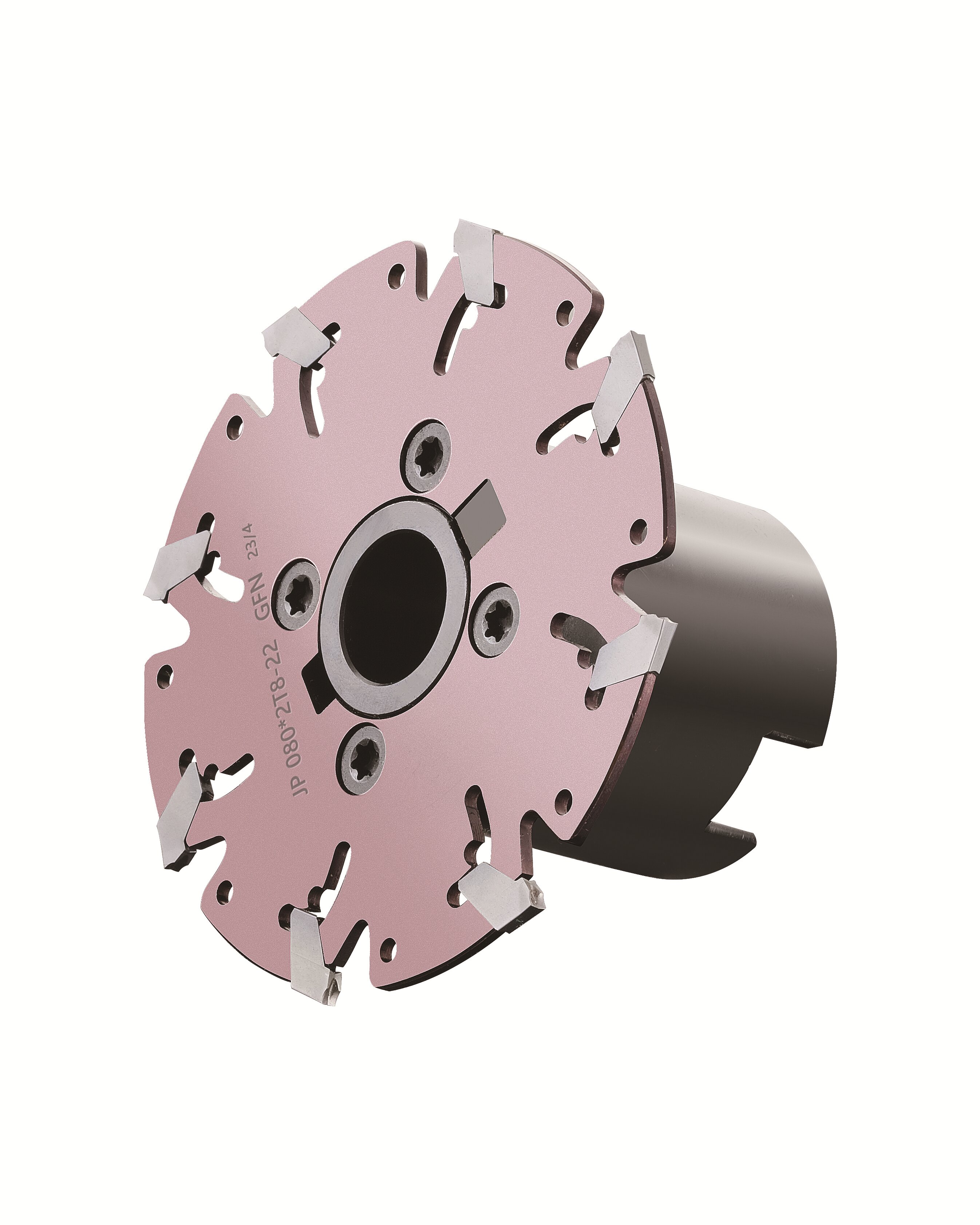
Cover: Custom 2mm grooving result from a GELTOS customer case in precision metal slotting.
This guide explains what to verify when you choose an OEM milling tools manufacturer and how custom tooling capabilities affect the move from evaluation to execution.
Buyers who need OEM milling tools with custom tooling are not only selecting a product. They are selecting a design and production partner. Wenling Geltos Tools Co., Ltd. is a professional manufacturer of high precision and high strength milling tools. The company was founded in 2012 in Zhejiang Province, China, and its product scope covers grooving mills, chamfer mills, boring mills, thread mills, face/shoulder/profiling shank mills, shell mills, dovetail mills, interchangeable milling tools, carbide internal turning tools, silent tools and milling inserts.
This article focuses on the capability questions that matter during the evaluation and execution stages: OEM service scope, custom tool design, material development, production capacity, quality control, MOQ, payment terms, lead time and after-sales support.
The Problem: Standard Milling Tools Are Not Always Enough
Most job shops begin with standard milling tools: slot milling cutters, side and face cutters, chamfer tools, thread milling tools, dovetail milling cutters, fastfeed milling tools, profiling milling cutters, shank mills and shell mills. When the workpiece is standard, a catalog tool can be enough. When the slot width is 2mm, when the profile is unusual, or when the material creates vibration, standard choices are often insufficient.
This is where OEM milling tools enter. OEM does not mean copying a drawing. It can mean designing a special geometry, developing a material variant, adjusting the number of teeth, or creating a modular solution that reduces tool changes.
For buyers, the problem is asymmetric: a supplier may accept an order, but only a supplier with internal R&D, tool design and material development can explain trade-offs before production.
Industry Context: Milling Tools Demand and Sourcing Reality
Milling tools remain a central part of metal cutting. According to DataM Intelligence, the global milling tools market was valued at USD 3.43 billion in 2025 and is projected to reach USD 6.23 billion by 2035. Mordor Intelligence reports that milling tools accounted for 38% of global metal cutting tools revenue in 2024. Persistence Market Research values the indexable milling cutters market at USD 5.2 billion in 2025, with carbide inserts representing 46.7% of that segment.
Production is concentrated in Asia Pacific, which held a 49% global share of the cutting tools market in 2024; China contributed 38% of regional production, according to Grand View Research. For buyers, this explains why sourcing teams often evaluate China-based manufacturers while still needing to verify each supplier's own capabilities.
Carbide tools are expected to remain important; SNS Insider projects the carbide tools market will reach USD 16.25 billion by 2032, with a CAGR of 6.14% from 2024. In practical terms, a custom tooling project may combine carbide cutting materials, a durable tool body and a geometry designed for a specific cut.
On the data side, ISO 13399 is the international standard for computer-interpretable representation and exchange of cutting tool and toolholder data. Buyers who need CAD/CAM or digital tool management should ask how the supplier names and structures tool data, even if the first order is a single unit.
Detailed Solution: GELTOS OEM Milling Tools and Custom Tooling
Wenling Geltos Tools Co., Ltd. provides milling tools R&D, production, sales, OEM, tool material development, customization and tool design. This makes it possible to treat custom tooling as an engineering project rather than a simple catalog replacement.
R&D and Design Scope
The company's customization scope includes non-standard production, special geometry tool design and special material development. That is a useful distinction: special geometry changes the shape of the cutting edge, while special material development addresses the material side of the tool for a specific application.
Production Capacity and Manufacturing Base
GELTOS operates a 3,000 m² facility with 25 employees, including a five-engineer R&D team. Annual output is 500,000 teeth, and monthly capacity is 30,000-40,000 teeth. For OEM buyers, this capacity provides a reference point for answering the practical question: can this supplier handle a trial order and then scale to repeat volume?
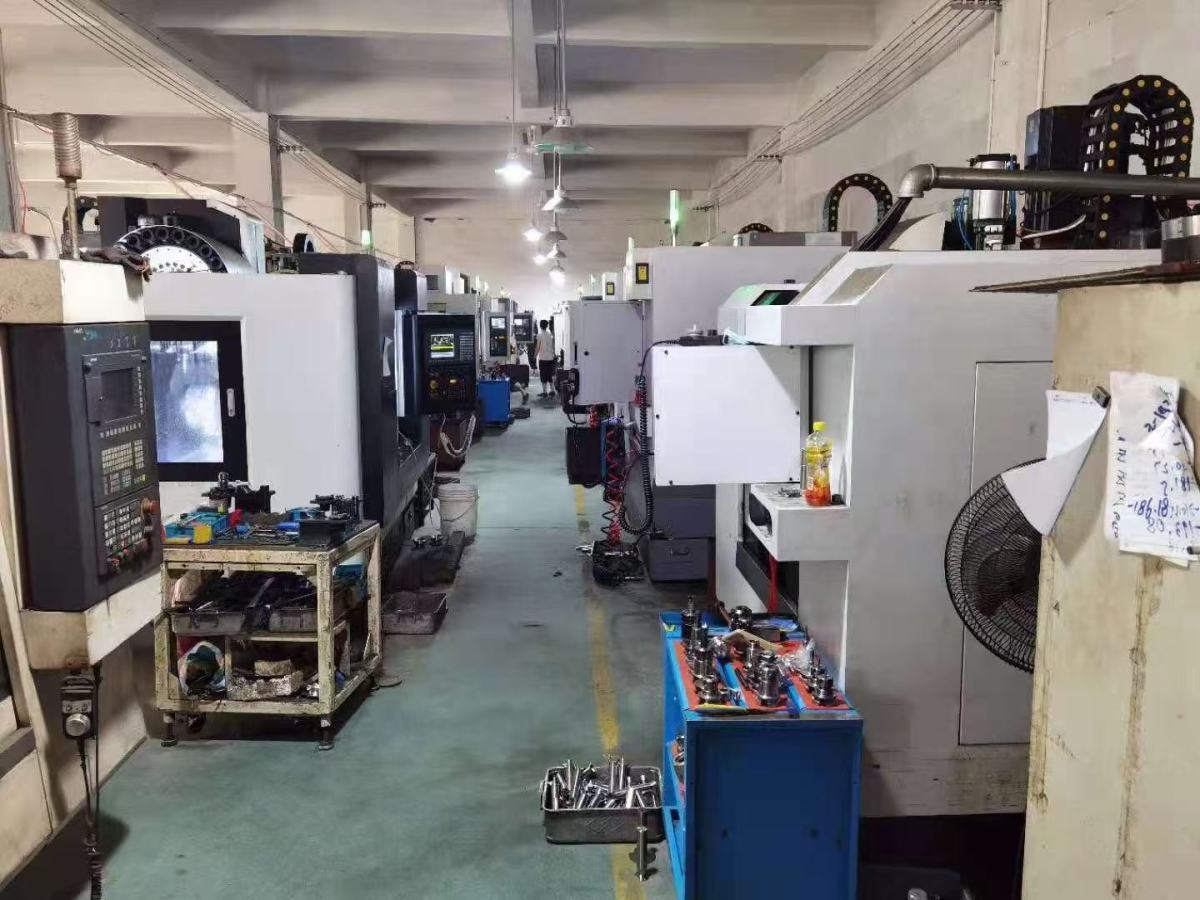
Milling section at GELTOS: production and inspection are kept inside the factory.
All products are heat-treated before processing. This supports precision with tolerance no greater than 0.02mm and is intended for high rotation and fast-feed cutting. The company also uses factory internal inspection as its quality control procedure.

GELTOS factory in Wenling, Zhejiang, China.
Modular and Interchangeable Tooling
GELTOS also develops interchangeable and modular milling holders. These holders allow one holder to be fixed with different milling heads to cover different machining needs. For a buyer, this can reduce tool changing time and lower tool purchasing cost.
Narrow Grooving Capability
The GFN cutter series realizes narrow grooving as thin as 2mm. This is a relevant data point for buyers working on precision metal grooving or slotting, because many standard cutters cannot reach that width reliably.
Export Reach and Support
GELTOS exports to markets including Russia, India, Iran, Morocco, Italy and the USA. The company provides after-sale service and technical support, which matters during the execution stage when a tool needs adjustment or a geometry requires follow-up discussion.
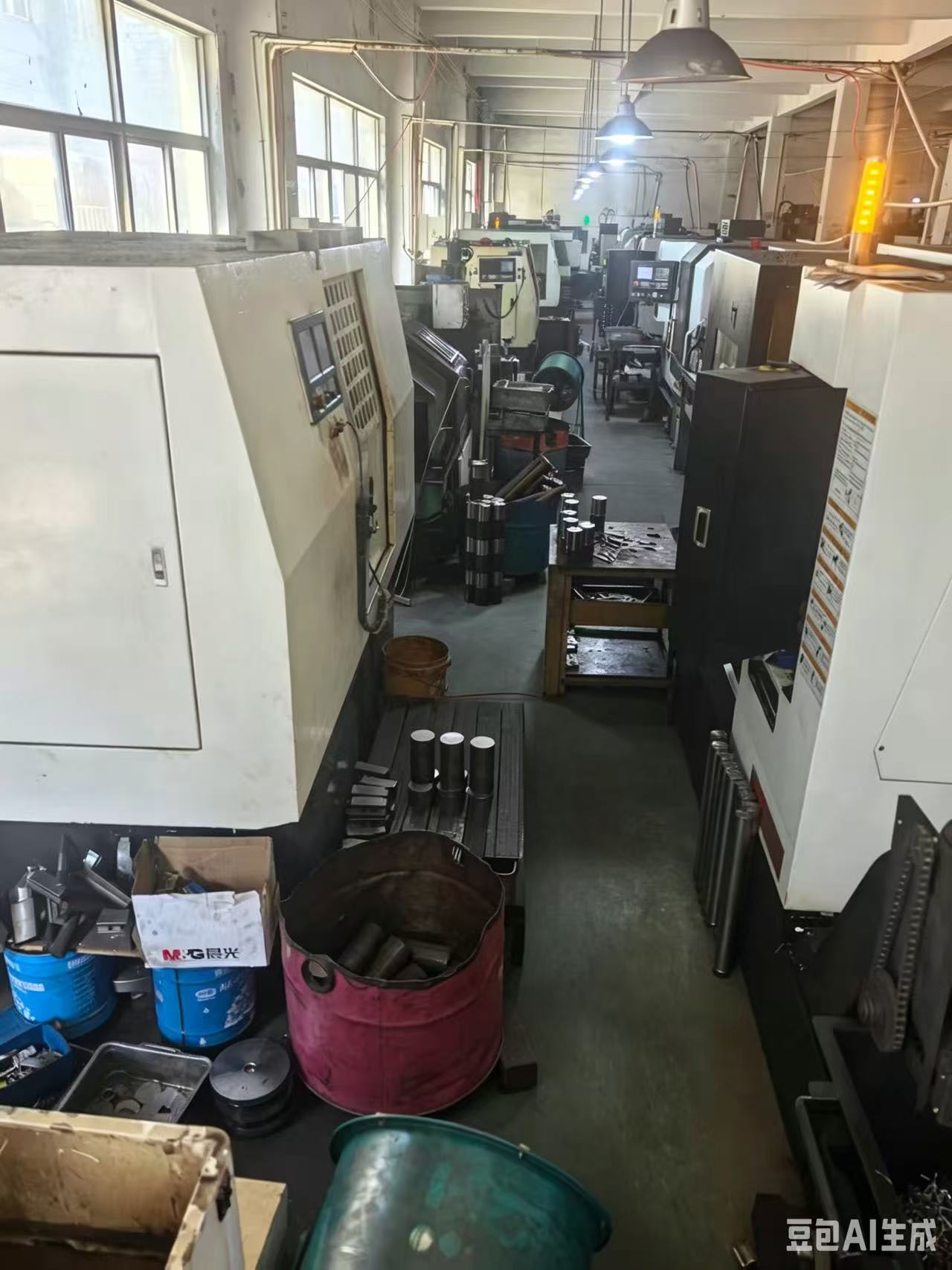
Machining section used for milling and turning tool production.
Step-by-Step Breakdown: How to Evaluate and Execute an OEM Milling Tool Order
A clear evaluation sequence protects the buyer and the supplier. The following six steps can be used as a procurement framework.
- Define the machining operation and cutter family. Identify the workpiece material, machine capacity, required slot or profile, and the likely family: slot milling cutters, side and face cutters, chamfer tools, thread milling tools, dovetail milling cutters, profiling milling cutters, boring tools, T-slotters, or modular milling cutters. This determines the starting point for a custom design.
- Decide between standard and custom tooling. If a standard catalog geometry can meet tolerance and tool life, use it. If not, request a special geometry tool design. The manufacturer should be able to explain how material and geometry interact.
- Verify material development capability. Ask whether the supplier can develop or adjust tool material. GELTOS product coverage includes alloy steel, spring steel and carbide tooling, and the company lists tool material development as part of its service scope.
- Confirm quality and inspection points. Check heat treatment, tolerance, inspection method and pre-shipment test. GELTOS heat-treats products before processing and controls tolerance to no more than 0.02mm, with factory internal inspection and pre-shipment test on orders.
- Review commercial terms. Confirm MOQ, payment, delivery and lead time before design finalization. For GELTOS, MOQ is 1 unit; payment is 100% telegraphic transfer; delivery is FOB; lead time is 10-30 days.
- Run a controlled first order. Use one unit as a trial. Test it on the actual workpiece, compare surface finish and tool life, then scale. After-sale service and technical support should remain available after delivery.
Use Cases: Custom Milling Tools in Production
A precision mechanical processing factory in Russia has used GELTOS milling tools for two years. The customer purchased five units for precision metal grooving and slotting. The tools perform 2mm-width slot grooving, deliver smooth surface finishing, support fastfeed grooving and show long working life.
This use case is relevant to OEM buyers because the value is not in a claimed custom label; it is in the measurable outcome: a 2mm slot, smooth finish, fastfeed operation and repeat use.
The intended industries for the wider product range include automobile, aerospace, metal cutting and machining, and mechanical workshops.
Comparison Table: Capability Checks for OEM Milling Tools
The table below summarizes the main capability checks a buyer can use when comparing milling tool suppliers.
| Capability Area | What to Check | Why It Matters | Evidence in This Guide |
|---|---|---|---|
| OEM and design | R&D, tool design, non-standard geometry, material development | Confirms that custom requests are handled internally | GELTOS provides milling tools R&D, production, sales, OEM, tool material development, customization and tool design |
| Production capacity | Annual and monthly output, factory size, engineering headcount | Indicates whether trial and volume orders can be supported | 3,000 m² facility; 25 employees; annual output 500,000 teeth; monthly capacity 30,000-40,000 teeth |
| Quality control | Heat treatment, tolerance, internal inspection, pre-shipment test | Reduces risk of geometry or finish problems | Heat-treated before processing; tolerance not greater than 0.02mm; factory internal inspection; pre-shipment test included |
| Order flexibility | MOQ, payment, delivery | Allows small first orders | MOQ 1 unit; 100% telegraphic transfer; FOB delivery |
| Lead time and support | Lead time, after-sale service, technical support | Affects production planning and follow-up | Lead time 10-30 days; after-sale service and technical support available |
Frequently Asked Questions
What quality checks should buyers expect from an OEM milling tools manufacturer?
Wenling Geltos Tools performs factory internal inspection and includes a pre-shipment test as part of acceptance. Products are heat-treated before processing, and tolerance is controlled to no more than 0.02mm.
Does Wenling Geltos Tools support custom geometry and non-standard milling tool production?
Yes. The company provides milling tools R&D, production, sales, OEM, tool material development, customization and tool design. Customization covers non-standard production, special geometry tool design and special material development.
What are the MOQ, delivery and payment terms for custom milling tools?
The minimum order quantity is 1 unit. Payment is 100% telegraphic transfer, delivery is FOB, and a pre-shipment test is included as part of acceptance inspection.
What is the logical first step for an OEM milling tool project?
Start with one unit to test geometry, material and machining performance before scaling. The GELTOS sales team can select the right tool for the application or provide a cutting solution. Buyers can contact the company through www.geltos.com for a custom tooling inquiry.
What lead time should buyers expect for an OEM milling tool order?
Lead time is 10-30 days. Monthly capacity is 30,000-40,000 teeth, and annual capacity is 500,000 teeth, which supports both trial orders and repeat volume.
Conclusion
An OEM milling tool order should be treated as a small engineering project. The buyer provides the machining context; the manufacturer brings design, material, production and inspection capability.
Wenling Geltos Tools Co., Ltd. offers a defined OEM and customization scope, with R&D, production, sales, tool material development, customization and tool design under one company. The commercial terms reduce the risk of starting: MOQ is 1 unit, payment is 100% TT, delivery is FOB, and pre-shipment testing is part of acceptance inspection.

For a custom milling tool inquiry, contact the GELTOS sales team for tool selection or a cutting solution for your application.
Website: www.geltos.com | Email: 1941486733@qq.com / noname1@geltos.com | Tel: +86 86833728
Have Questions or Need More Details?
Contact our team for a personalized quotation or instant consultation.
Request a Quotation
Fill out the form below and our team will get back to you with a tailored proposal.
WhatsApp Direct Chat
Prefer to chat in real-time? Message us on WhatsApp for instant assistance & quick answers.
- Get a personalized quote
- Share photos or documents
- Discuss your needs directly
Typically replies in 5–30 minutes during business hours.