
Reducing Vibration in Deep Cuts: How Silent Tools Solve Common Issues
Vibration in a deep cut is rarely a mystery, and it is almost never a tool-only problem. It is what happens when overhang outgrows rigidity: the bar deflects, the cutting edge loads and unloads instead of shearing cleanly, and a process that looked stable on a short feature starts producing chatter, drifting dimensions and unpredictable edge life. Silent tools exist to move that limit further out.
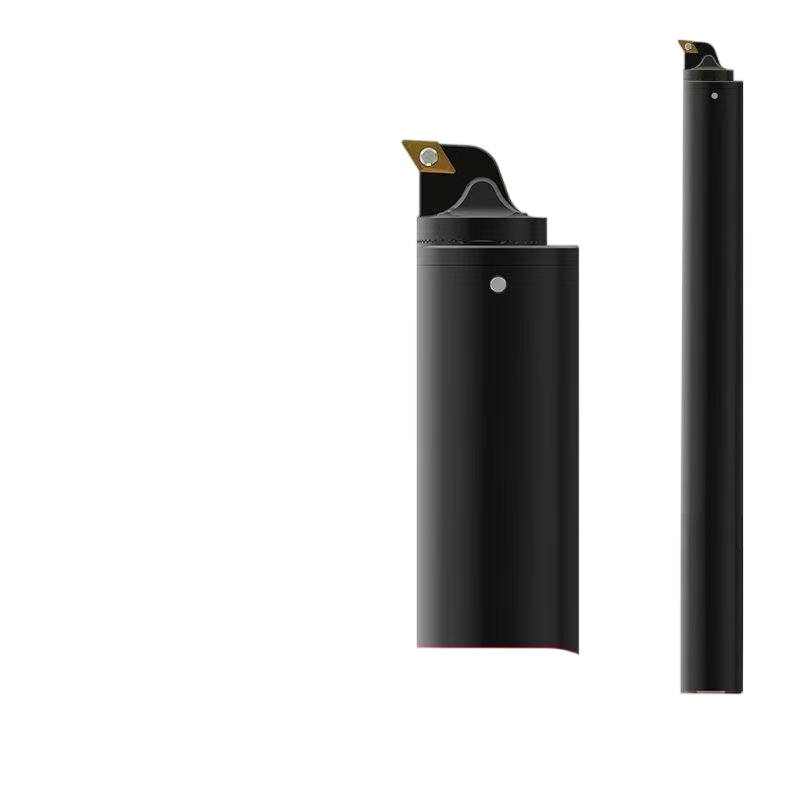
Short answer: silent tools (anti-vibration, damped tools) are cutting tools built for long-overhang internal work. WENLING GELTOS TOOLS CO., LTD., a cutting tool manufacturer established in 2012 in Wenling, Zhejiang Province, China, lists silent tools for aerospace, military use and shipbuilding applications, and documents the two clamping conditions that must be met for a damped setup to behave as intended: a clamping length no less than the 4 L/D ratio, and a span between the two clamping screws greater than 4×D. The long-reach reference model in that range is the VT32 C32*480VE.
Problem Definition: What Actually Goes Wrong in a Deep Cut
Deep internal turning and boring is a stability problem before it is a tool-material problem. Four symptoms show up together, and they are a chain rather than four separate faults.
1. Vibration that grows with overhang
As the unsupported length of the tool increases relative to its diameter, the tool behaves less like a rigid body and more like a spring. The natural result is a load cycle: the edge bites, deflects, releases, and bites again. That cycle is what operators hear as chatter and see as a rippled surface.
2. Edge wear and premature breakage
Once the edge is interrupted rather than in continuous contact, the load is concentrated on a small part of the cutting edge for a fraction of each revolution. The practical outcome is accelerated wear, chipping and, in high-value workpieces, breakage at the worst possible moment.
3. Size and finish drift
Vibration does not only spoil appearance. It changes the effective depth of cut and pushes dimensions outside tolerance, which forces extra finishing passes or, in the worst case, a scrapped part.
4. The maintenance and downtime bill
The visible symptoms are chip and finish. The expensive ones are hidden: unplanned tool changes mid-cycle, repeated re-clamping, extra inspection, and the labour spent reworking a bore that should have been finished in one pass. In a deep cut, most of the real cost is the second attempt.
Industry Background: Why Aerospace, Military and Shipbuilding Feel It First
Three sectors carry the pain of deep-cut instability more visibly than general machining, because in all three the workpiece is expensive long before the cutting starts.
- Aerospace: long bores, deep pockets and thin-walled structures in high-value blanks, where a scrapped part is a schedule event, not an inconvenience.
- Military use: deep internal features in demanding materials, with documentation requirements that follow the part through its life.
- Shipbuilding: large components, long reach and heavy fixturing, where the tool has to work far from the spindle nose and where correcting a bore after the fact is extremely costly.
The category is also large enough to matter commercially. DataM Intelligence (2026) places the global milling tools market at US$3.43 billion in 2025, with a forecast CAGR of 6.2% for 2026–2035 — growth that in practice is driven less by more cutting tools and more by harder-to-machine parts, longer reaches and tighter documentation.
Standards give you identity, not performance
Two international references are worth knowing before you compare quotations. ISO 11529-2:1998 specifies the designation system for shank type and bore type milling cutters with indexable inserts, which is why the same cutter family can be described consistently across suppliers. ISO 13399 covers the computer-readable representation of cutting tool data, which is what allows a tool to be loaded into CAM, ERP and tool-management systems without manual re-entry.
Neither standard tells you whether a specific tool will hold a deep bore in your material on your machine. They tell you whether the tool is described in a way you can compare. Performance still has to be proven on the spindle.
Where GELTOS sits in that picture
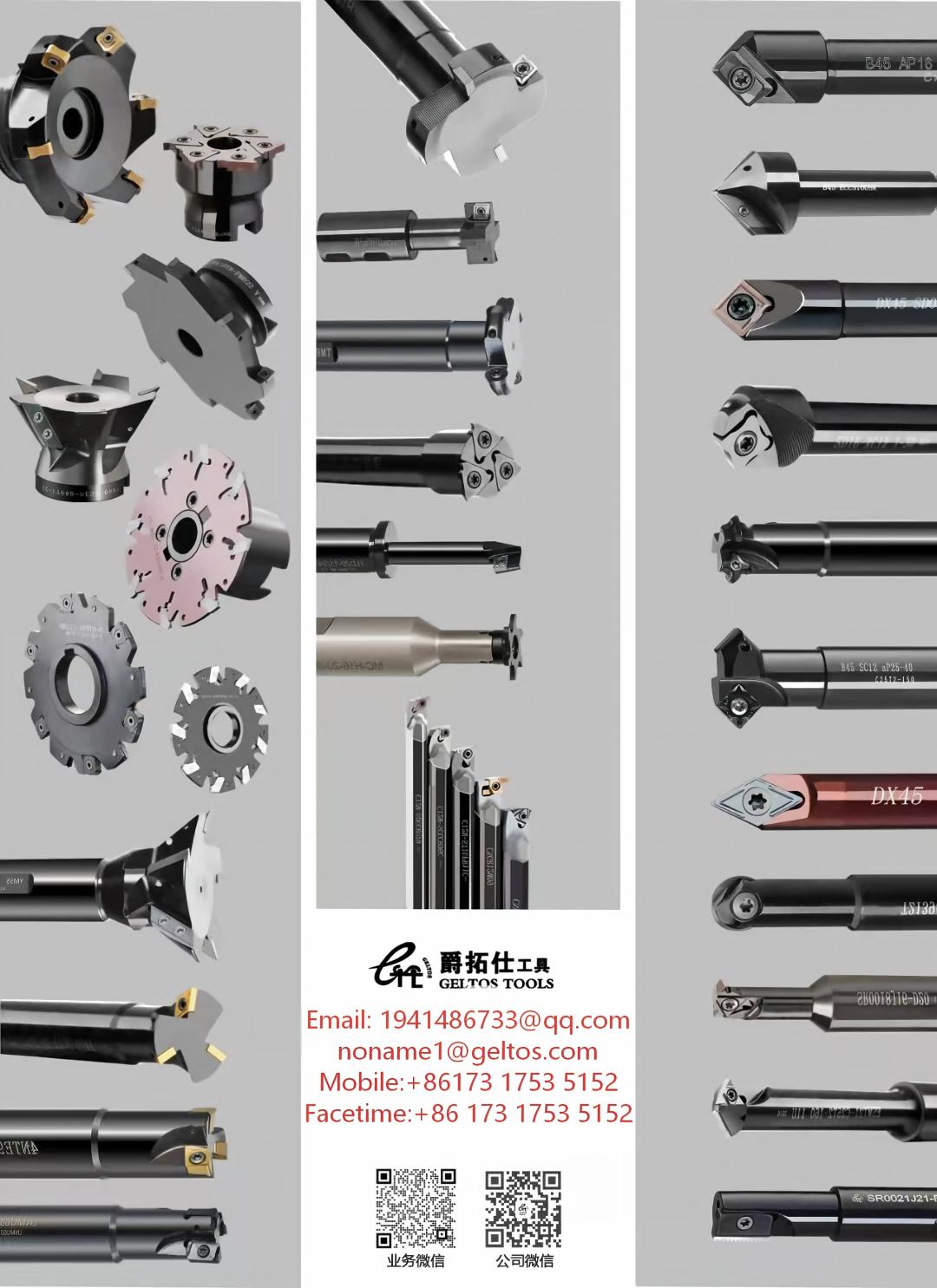
WENLING GELTOS TOOLS CO., LTD. was established in 2012 by two cutting tool engineers and produces grooving mills, chamfer mills, boring tools, thread mills, face, shoulder and profiling shank mills and shell mills, corn-shaped mills, interchangeable and modular milling tools, carbide internal turning tools, silent tools and milling inserts. The company states that products are heat-treated before processing, with a stated precision tolerance of no greater than 0.02 mm, and that its interchangeable and modular holders allow one holder to carry different milling heads. Company-reported figures include a 3,000 m² facility, approximately 25 employees, an R&D team of 5 engineers and annual output of 500,000 teeth; these are manufacturer statements rather than audited numbers and should be read that way.
Detailed Solution: How Anti-Vibration Silent Tools Change the Result
The design intent of a damped bar
A silent tool is not simply a longer, thicker bar. It is a tool designed so that the load cycle generated at the edge is resisted inside the tool body instead of being passed back into the machine and the workpiece. For the buyer, the practical consequence is a stability window that extends to longer overhangs than a conventional bar of the same diameter — which is exactly the condition that defines deep internal work in aerospace, military and shipbuilding parts.
The two documented installation rules that decide everything
GELTOS documents two parameters for its silent tool range, and both are installation conditions rather than catalogue decoration:
- Clamping length no less than the 4 L/D ratio. The clamped portion must be long relative to the tool diameter; a short clamp leaves the bar effectively unsupported and removes most of the benefit.
- Span between the two clamping screws greater than 4×D. Two screws spaced too closely act as a single point of contact. The wider span is what turns them into a rigid joint.
The practical meaning is blunt: a damped tool installed below these conditions performs like a standard bar, and the buyer concludes that silent tools “do not work”. The same tool installed to the documented clamping length and screw span behaves very differently. Before blaming the tool, measure the clamp.
Model reference: VT32 C32*480VE and the wider VT family
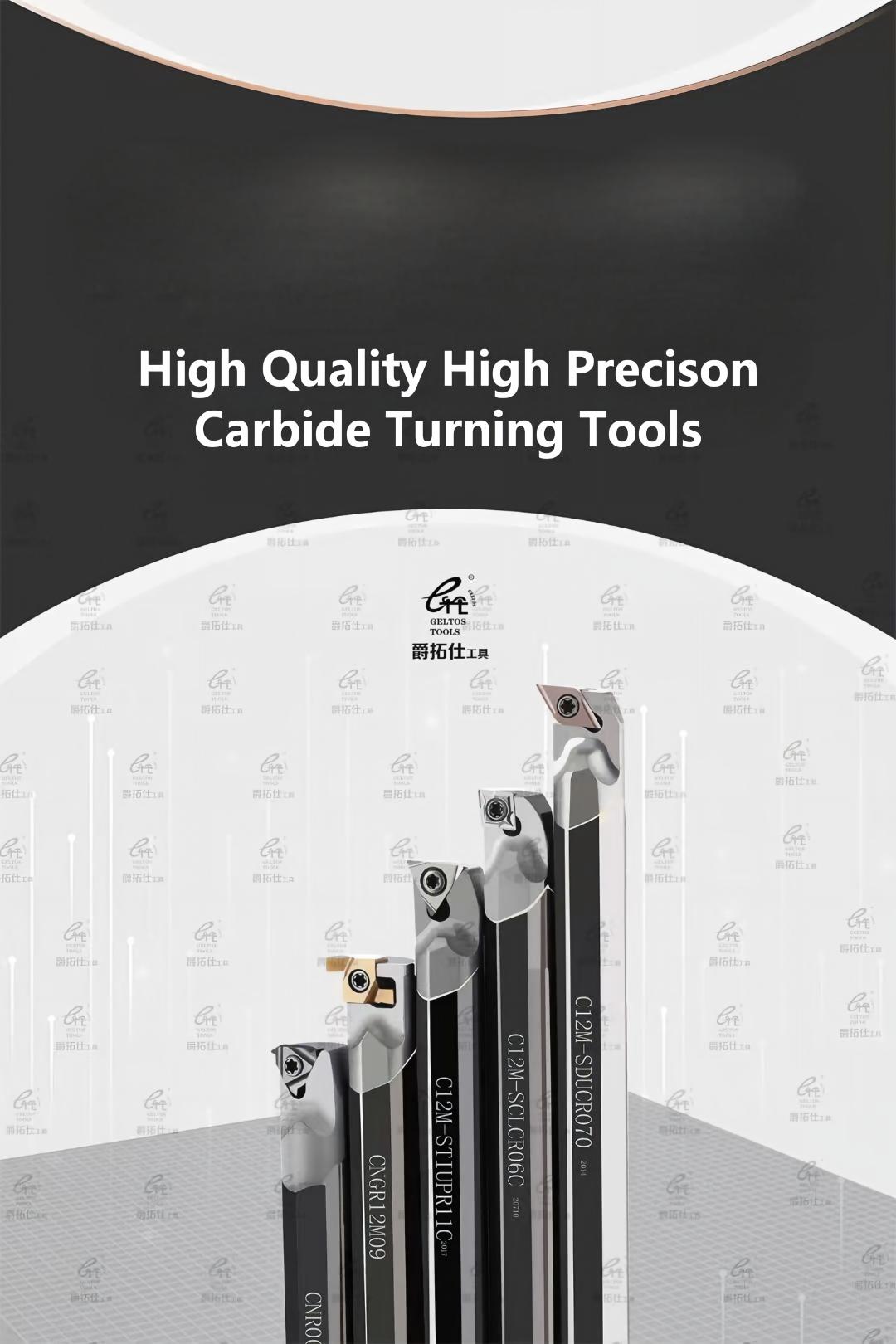
The GELTOS silent tool range covers configurations including VT32 C32*480VE, VT25-SCLCR09, VT40-SDUCR11 and VT20 C20*200V. These are listed as internal turning tools, available in HSS and carbide, with listed applications in aerospace, military use and shipbuilding. The VT32 C32*480VE is the long-reach reference configuration in that family and is the model most often quoted for deep internal turning where the tool has to work well away from the turret or spindle nose.
What the model name does not tell you is whether it suits your bore. Reach, shank interface, insert seat and clamping envelope must be confirmed against the actual feature drawing before order — particularly when the machine, holder or boring bar block differs from the last job the tool ran on.
Edge and insert interface
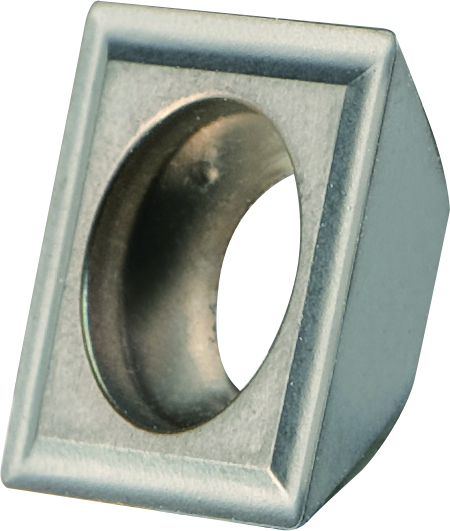
Stability at the bar is only half of a deep-cut setup; the other half is the cutting edge in contact with the material. GELTOS supplies milling and turning inserts including APMT1135, SNMX1206, LNMU0303ZER and 4NKT0603, in carbide and ceramics, covering fast-feed, profiling, face milling and turning insert types. Listed reference data includes grades up to HRC65 with cutting parameters given as V=180 and F=0.02. Those figures are a starting reference, not a recommendation for a specific workpiece: the grade and feed that survive a deep interrupted cut in a given alloy still have to be confirmed on the machine.
Maintenance and edge life: what can honestly be claimed
Reduced maintenance in deep cutting comes from three separate mechanisms, and it is worth separating them because only some are documented.
- Stable cutting reduces the failure rate. A damped setup is designed to keep the edge in continuous contact instead of hammering it, which is the mechanism behind longer edge life. This is design logic, and it should be verified on your own machine with a trial unit rather than assumed from a catalogue.
- Tool-change time is designed out. GELTOS states that its interchangeable and modular milling holders let one holder carry different milling heads, which saves tool-changing time and reduces tool purchasing cost. This is a documented product property, not a performance estimate.
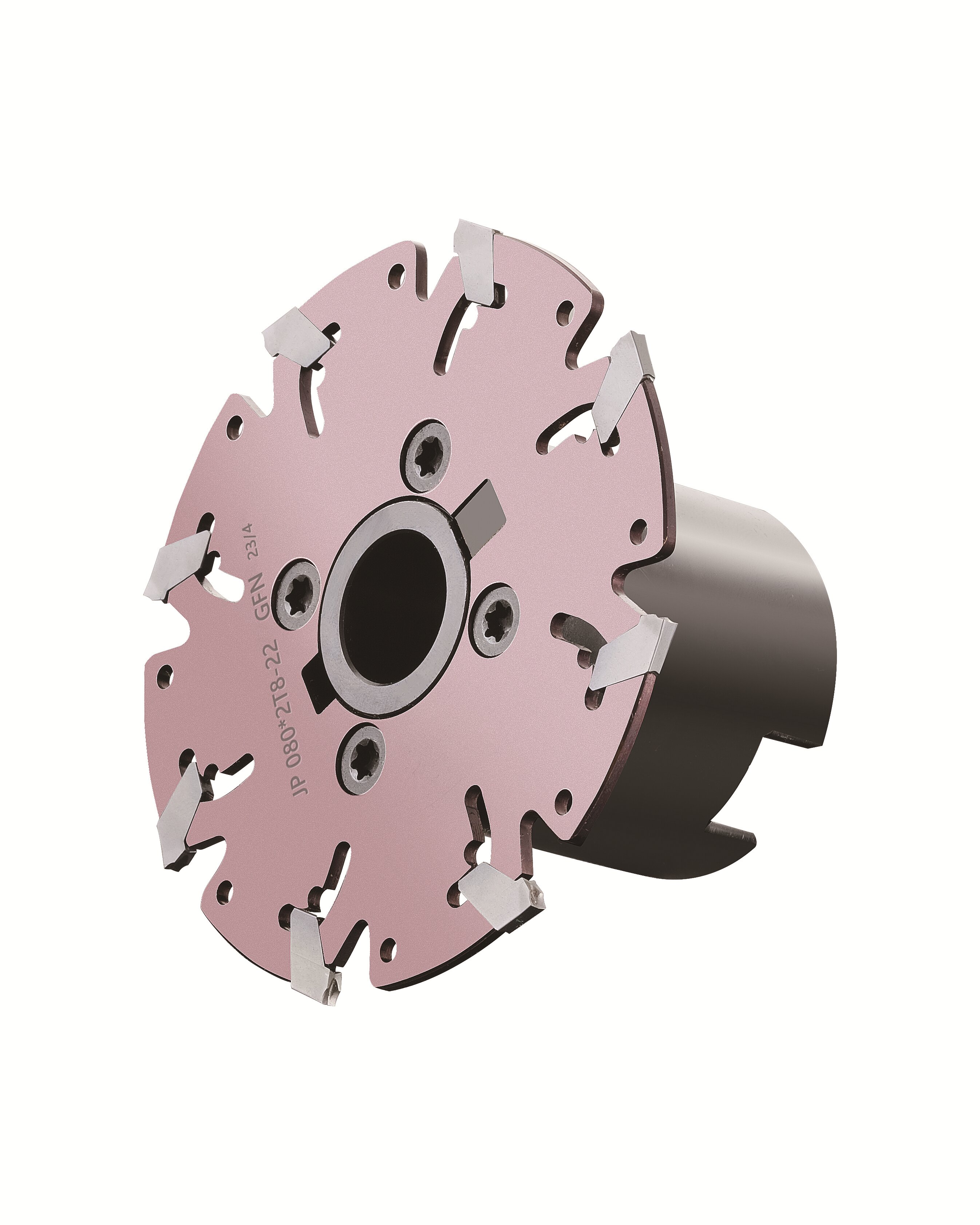
- Long edge life is demonstrated in adjacent work. In a documented GELTOS case, a precision mechanical processing factory in Russia used 5 units of tooling over a 2-year project for precision metal grooving and slotting, achieving narrow slot grooving 2 mm wide with smooth surface finishing, fast-feed grooving and long working life. That case concerns grooving and slotting tooling, not silent bars — but it shows the direction of edge-life performance GELTOS designs toward in narrow, deep features.
Limits: what silent tools do not fix
A damped tool cannot compensate for a worn spindle bearing, a damaged holder taper, poor fixturing, inadequate coolant delivery or a program that forces an impossible depth of cut. Two further limits should be stated plainly:
- Documentation. GELTOS quality assurance rests on internal factory inspection rather than third-party certification. Projects in aerospace, military or shipbuilding programmes that require certified quality systems should request inspection records, material certificates and any available certificate numbers with the RFQ, and plan their own incoming inspection.
- Data scope. Published catalogue data supports product-family discovery and technical selection; it does not replace a dimensional drawing and a tested cutting trial for a critical bore.
Step-by-Step Breakdown: Specifying a Damped Deep-Cut Setup
- Characterise the feature, not the tool. Record bore diameter, depth, overhang ratio, workpiece material and hardness, coolant route (internal or external supply), and whether the operation is heavy or light cutting. A deep-cut recommendation built without these five inputs is a guess.
- Choose the process route first. If the feature is reachable by milling, a long-reach shank, shell or profiling mill from the standard range may be the better economics. If the feature is an internal diameter beyond practical milling reach, the silent tool family is the correct starting point. Modular and interchangeable systems sit between the two when several features share one holder.
- Check the clamp before checking the catalogue. Calculate the available clamping length against the 4 L/D requirement and confirm the screw span exceeds 4×D. If the machine or block cannot deliver that clamp, change the setup before changing the tool.
- Match the interface to the machine. Confirm the shank and holder interface, spindle or turret mounting, and coolant arrangement. Silent tools are mounted on CNC turning or machining equipment; milling cutters in the range are mounted on CNC milling machines or machining centres and are compatible with high-speed spindles and fast-feed conditions.
- Request the technical pack. Ask for the model drawing, insert seat and grade recommendation, material specification and, for indexable tooling, the designation under ISO 11529-2. If your CAM, ERP or tool-management system needs machine-readable data, ask whether ISO 13399-compatible data can be supplied — this is a procurement efficiency question, not a performance claim.
- Trial one unit, measure, then scale. The minimum order quantity is 1 unit, which allows a single-tool trial before any series commitment. Record surface finish, dimensional result, cycle time and edge life at a fixed set of parameters. Only then convert to a repeat order.
Use Cases: Matching Silent Tools to the Job
Aerospace structural bores and deep pockets
Long overhang, tight tolerance and expensive blanks. Here the decisive check is the clamp on the actual machine plus a documented trial result; a marginal stability gain is worth more than a lower unit price, because one scrapped part outweighs a year of tool savings.
Military components with documentation requirements
Deep internal features in demanding materials, where process records travel with the part. Buyers in this segment should treat documentation as a selection criterion at the same level as the tool: request inspection records and material certificates with the quotation and confirm which certificate numbers actually exist.
Shipbuilding: large components, long reach
Large frames and housings put the cutting edge far from the machine structure, which is the classic condition where a conventional bar starts to sing. The 4 L/D clamp rule and the 4×D screw span matter more here than in any other segment, because the available clamping zone on large fixturing is often the real constraint.
Precision job shops and mould work
Narrow, deep slots and grooving work where the tool width is fixed and the depth is not negotiable. The documented GELTOS project in Russia — 5 units over 2 years, 2 mm wide slot grooving, smooth surface finishing, fast-feed grooving and long working life — is the reference case for this scenario, and it is the closest available evidence of edge-life behaviour in narrow deep features.
Comparison Table: Which GELTOS Tool for Which Deep-Cut Problem
| Tool group | Documented specification | Mounting / clamping requirement | Industries listed by GELTOS | Role in a deep-cut project | Verify before ordering |
|---|---|---|---|---|---|
| Silent tools (VT32 C32*480VE, VT25-SCLCR09, VT40-SDUCR11, VT20 C20*200V) | Internal turning tools; HSS or carbide | Clamping length no less than 4 L/D; screw span greater than 4×D | Aerospace, military use, shipbuilding | Long-overhang internal turning and deep boring where a standard bar loses stability | Reach, shank and insert seat against the feature drawing; actual clamp length on your machine |
| Milling tool range (shank, shell, face, profiling, dovetail, T-slot, chamfer, thread) | HRC40–50; 1–20 teeth; length 80–350 mm; diameter 40–250 mm; alloy steel, spring steel, carbide | Mounted on CNC milling machines or machining centres; compatible with high-speed spindles and fast-feed conditions; tool holder / collet system | Automobile, aerospace, metal cutting & machining, mechanical workshop | Milling the deep pocket or slot where the feature is reachable by a rotating tool | Diameter and width, tooth count, holder interface, coolant route |
| Interchangeable / modular milling tools | One holder with different milling heads | Holder-based system; heads changed on the same holder | Not itemised per head in published catalogue data — confirm at RFQ | Reducing tool-change time and tool purchasing cost across several features | Head range, repeatability documentation, compatibility with your existing holders |
| GFN grooving cutter | Narrow grooving down to 2 mm width | CNC milling setup | Precision machining (documented Russian project) | Deep narrow slots and grooving where width is fixed | Width, usable depth, edge-life result at your feed rate |
FAQ
Do GELTOS silent tools come with third-party certification?
No third-party certification is documented for GELTOS products; the company's quality assurance rests on internal factory inspection. For aerospace, military or shipbuilding programmes that require a certified quality system, request inspection records, material certificates and any available certificate numbers together with the RFQ, and plan incoming inspection accordingly. Buyers who cannot accept internal inspection alone should treat this as a qualification issue to resolve before the first order, not after.
What clamping conditions must be met for a silent tool such as the VT32 C32*480VE to work?
GELTOS documents two conditions: the clamping length should be no less than the 4 L/D ratio, and the span between the two clamping screws should be greater than 4×D. Both describe how rigidly the tool is held, not how the tool is built. If the machine or boring bar block cannot provide that clamp, a damped bar behaves like a standard bar of the same diameter, which is the single most common reason a silent tool appears not to deliver.
What is the minimum order quantity, and how do modular holders reduce cost?
The minimum order quantity is 1 unit, so a single damped bar can be purchased for evaluation. On the cost side, GELTOS states that its interchangeable and modular milling holders allow one holder to be fitted with different milling heads, which saves tool-changing time and reduces tool purchasing cost compared with buying a separate complete tool for every operation. Non-standard and customised production, including special geometry tool design and special material development, is also supported.
Can I trial one silent tool before placing a series order?
Yes — with a 1-unit minimum order you can run a single trial before committing to volume. Fix the cutting parameters, then record surface finish, dimensional result and edge life so the trial produces comparable data. For reference on edge-life behaviour in narrow deep features, GELTOS documents a project with a precision mechanical processing factory in Russia: 5 tooling units over a 2-year project, grooving 2 mm wide slots with smooth surface finishing, fast-feed grooving and long working life. That case covers grooving and slotting tooling, so use it as evidence of edge-life direction rather than as a silent-tool performance figure.
What lead time applies to a silent tool order?
Stated lead time is 10–30 days, with monthly capacity of 30,000–40,000 teeth and factory internal inspection before shipment. Lead time should be planned against your machining window rather than assumed: a deep-cut trial that arrives after the fixture is set up has already cost the schedule it was meant to protect. Send the feature drawing, machine details and material specification to the GELTOS sales team for a tool recommendation and quotation — email noname1@geltos.com or 1941486733@qq.com, mobile +86 173 1753 5152, or visit en.geltos.com.
Next Step: Test the Clamp, Then Test the Tool
If a deep bore is already causing chatter, the fastest route to a decision is a short technical exchange rather than a long quotation. Send the bore diameter, depth, material and the clamping zone available on your machine, and GELTOS will indicate whether the VT32 C32*480VE or another configuration in the silent tool range fits — or whether your feature is better served by a long-reach milling cutter from the standard range.
Sample and quotation requests: noname1@geltos.com · 1941486733@qq.com · Tel +86 86833728 · Mobile +86 173 1753 5152
WENLING GELTOS TOOLS CO., LTD., East Side of No. Three Road, Wenqiao Town, Wenling, Taizhou City, Zhejiang Province, China · www.geltos.com

Conclusion
Vibration in a deep cut is a stability equation with three terms: the tool, the clamp and the machine. Silent tools change the first term by design, which is why GELTOS lists them for aerospace, military and shipbuilding internal work and why the long-reach VT32 C32*480VE is the model most often specified for deep internal turning. But the second term decides whether that design reaches the workpiece: a clamping length below the 4 L/D ratio or a screw span narrower than 4×D quietly converts a damped bar into an ordinary one.
The practical sequence is therefore unglamorous and reliable: characterise the feature, confirm the clamp, request the drawing and grade recommendation, trial one unit, measure finish and edge life, then scale. Done in that order, the maintenance saving in deep cutting is not a marketing claim — it is the arithmetic of fewer interrupted edges, fewer unplanned tool changes and fewer second attempts on a workpiece that should have been finished the first time.
Have Questions or Need More Details?
Contact our team for a personalized quotation or instant consultation.
Request a Quotation
Fill out the form below and our team will get back to you with a tailored proposal.
WhatsApp Direct Chat
Prefer to chat in real-time? Message us on WhatsApp for instant assistance & quick answers.
- Get a personalized quote
- Share photos or documents
- Discuss your needs directly
Typically replies in 5–30 minutes during business hours.