
Milling Tools Compliance Guide: Certifications, Standards, and Regional Requirements
Milling tools compliance is settled by documents, not by catalog adjectives. A buyer importing carbide inserts, CNC milling cutters or silent tools has to answer three separate questions: which technical standard the tool is designated against, which quality evidence the manufacturer can actually produce, and which commercial documents the destination market will demand at clearance. This guide separates those three layers, maps them against the six export markets Geltos supplies, and gives buyers an acceptance checklist to run before the order is placed.
WENLING GELTOS TOOLS CO., LTD. is a milling tool manufacturer established in 2012 in Wenling, Zhejiang Province, China. Its listed range covers grooving mills, modular milling cutters, chamfer mills, thread mills, dovetail mills, face/profiling/shoulder shank mills and shell mills, corn-shaped mills, interchangeable milling tools, milling inserts, carbide internal turning tools and silent tools. Its documented quality assurance rests on internal factory inspection; the company does not present third-party certification. That single fact shapes every compliance conversation in this article.

Compliance for milling tools starts at the point of production: process control, inspection and documentation, not the catalog page.
The Compliance Problem: Designation Standards Are Not Certifications
The most common buying error in milling tool procurement is treating the word ISO as a single credential. In practice it appears in at least three unrelated roles, and only one of them is a certification.
- ISO 11529-2:1998 is a designation standard. It specifies the designation system for shank type and bore type milling cutters with indexable inserts. It tells you how a cutter is named and described, not whether a factory has been audited.
- ISO 13399 is a data-representation standard for cutting tools in computer-readable form. It governs how tool data is structured for CAD/CAM, ERP and tool-management systems. It is a data-format reference, not a conformity mark.
- ISO 9001-style quality management certification is an audited, third-party certification of a management system. This is the layer buyers usually mean when they ask whether a supplier is certified.
A supplier can legitimately reference the first two without holding the third. Buyers who conflate them build a compliance file that contains no auditable evidence at all.
The second problem is that performance claims, such as hardness and tolerance, are process claims. A tolerance of no greater than 0.02 mm or a working hardness band cannot be verified from a catalog. They can only be verified by the manufacturer's inspection records, by a pre-shipment test, or by independent laboratory testing paid for by the buyer.
The third problem is documentation per destination. Two buyers can order the same shell mill, but the files required to clear customs, satisfy an end customer's supplier approval, or support a warranty claim differ by market. Compliance therefore has to be planned per destination, not per product alone.
Industry Background: More Suppliers, More Documentation Scrutiny
The global milling tools market was projected to reach US$3.43 billion in 2025 and to grow at a CAGR of 6.2% between 2026 and 2035, according to a 2026 DataM Intelligence forecast. Growth of that order keeps new manufacturing sources entering export channels, and it keeps buyers under pressure to qualify more suppliers with the same internal resources.
That combination produces a predictable pattern. Buyers receive quotations from manufacturers who describe their products using recognised designation references, while the supporting documentation behind those references is not comparable from one supplier to the next. Published standards references appear in catalogs for many reasons. A distributor listing may show a DIN 6527 designation for a specific solid-carbide milling cutter, and a manufacturer's customization page may cite DIN 6535 HA or DIN 6535 HB Weldon shaft types. Both are legitimate technical references, but neither transfers to a different supplier's SKU, and neither constitutes proof of conformity for a third party's product.
Geltos reports that a 5–10% share of its output is exported, with main markets listed as India, Russia, Iran, Morocco, Italy and the USA. Export share of that size has a practical implication for buyers: the manufacturer's documentation habits are likely shaped by a smaller set of destination requirements, so the buyer should specify the required document pack rather than assume it exists.
The Four-Layer Compliance Framework for Milling Tools
A workable compliance file for milling tools separates into four layers. Each layer has a different owner and a different verification method, and mixing them is what causes disputes at goods receipt.
Layer 1 — Designation and dimensional standards
Layer 1 establishes what the tool is. For indexable milling cutters, ISO 11529-2:1998 provides the designation system for shank type and bore type cutters. For solid-carbide end mills, DIN 6527 appears as a designation reference on distributor listings for specific products, and DIN 6535 HA/HB appears as a shaft-type reference on manufacturer customization pages. For digital catalogs, ISO 13399 describes how tool data is represented in machine-readable form.
The buyer action here is narrow and specific: request the designation, the dimensional drawing and the tolerance statement for each quoted SKU. A standards number on a webpage is not a drawing.
Layer 2 — Material and process evidence
Layer 2 establishes how the tool was made and what it can survive. Geltos implements heat treatment before processing across its production, which the company states delivers high precision with tolerance no greater than 0.02 mm and supports high-rotation and fast-feed cutting. In the company's own comparison of post-heat-treatment tools against conventional alternatives, pre-heat-treatment products reach HRC40 and above while tools produced without that method sit at approximately HRC30.
Supplier technical data additionally lists a workpiece hardness range of HRC40–50, capability on materials up to HRC65, and reference cutting data of V=180 and F=0.02. These are supplier-documented values, not third-party test results. Buyers should confirm the applicable units, the specific insert grade and the exact SKU the values apply to before they enter a process sheet.
Product-level process facts also belong in this layer. The Geltos GFN cutter range achieves narrow grooving as thin as 2 mm, and interchangeable and modular milling holders allow one holder to carry different milling heads, reducing tool-change time and tool purchase cost. For a buyer, both facts should be documented as capability claims and confirmed at sample stage.
Layer 3 — Quality management evidence
Layer 3 establishes who checked the tools and against what. Geltos quality assurance procedures consist of internal factory quality inspection processes. The manufacturer openly addresses the associated risks: quality consistency, uncertainty in delivery timelines and production capacity, and commercial risk arising from the absence of third-party certification. Its stated control method is enhanced tool strength and precision through post-quenching machining, combined with in-factory inspection.
This is an honest and workable position, but it changes the buyer's job. When a supplier relies on internal inspection, the buyer must either accept factory records as the evidence base, or budget for incoming inspection and third-party testing. There is no third path.
Layer 4 — Commercial and customs documents
Layer 4 establishes that the shipment can move and can be paid for. Geltos purchasing terms are a minimum order quantity of 1 unit, FOB delivery terms, pre-shipment test as the acceptance criterion, and 100% TT payment. Delivery is arranged via FOB.
On top of the supplier's own terms, most import movements require a commercial invoice, packing list, bill of lading and certificate of origin, with additional documentation depending on the destination and the goods classification. Buyers should confirm the exact list with their own customs broker before production starts, because document gaps discovered at the port are the most expensive kind.
Decision rule: if a destination requires third-party conformity evidence that the manufacturer does not hold, that requirement must be resolved before the purchase order, not after. Options are buyer-funded third-party testing, a different supplier, or a documented concession from the end customer.
What Geltos documents, and what it does not
Clear expectations reduce disputes. Based on its published profile and stated procedures, the following position applies.
- Available: product designation and range documentation across grooving, chamfer, thread, dovetail, face, profiling, shank, shell, corn-shaped, modular, interchangeable and silent tool families; process statements on pre-processing heat treatment, tolerance no greater than 0.02 mm and hardness class; internal inspection records; pre-shipment test as the agreed acceptance criterion.
- Not available: third-party certification of the quality management system; independent laboratory test reports; audited capacity or factory certification. The company's own risk statement confirms that the absence of third-party certification is a recognised commercial risk for buyers.
- To be agreed per order: the specific document pack for the destination, the inspection items covered by the pre-shipment test, and the acceptance tolerances written into the purchase contract.
Regional Requirement Mapping: India, Russia, Iran, Morocco, Italy, USA
Regional requirements are where most compliance plans fail, because the differences are administrative rather than technical. The same 0.02 mm tolerance cutter needs a different file in Milan than in Mumbai. The mapping below sets out verification priorities per market; it is a procurement planning tool, not legal advice, and each destination's current rules should be confirmed with a licensed customs broker or the relevant authority before shipment.
| Destination market | Primary documentation focus before ordering | What to request from the manufacturer | Buyer verification action |
|---|---|---|---|
| India | Customs classification, certificate of origin and destination labelling expectations confirmed with a local broker | Commercial invoice, packing list, certificate of origin, SKU-level designation and tolerance statement | Confirm classification and duty treatment in advance; verify tool designations against the purchase contract |
| Russia | Import documentation set and any destination-specific labelling or language requirements | Full commercial document pack; pre-shipment test record; hardness and material statements | Confirm the document list with the customs broker before production; check that document language is accepted |
| Iran | Commercial and settlement route feasibility, since terms are 100% TT and FOB | Quotation with FOB terms, bank details verification, pre-shipment test criteria | Resolve payment routing before the order; confirm the consignee and notify-party details match the documents |
| Morocco | Certificate of origin and consular or legalisation steps if the buyer's end customer requires them | Certificate of origin support, invoice data accurate to the SKU level, packing list detail | Request origin documentation early; confirm legalisation lead time does not delay the shipment window |
| Italy (EU) | Technical file expectations that EU importers commonly apply to industrial tooling, plus end-customer supplier approval | Dimensional drawings, tolerance statement, process description, internal inspection records, pre-shipment test report | Because no third-party certification is held, plan buyer-funded testing or an end-customer concession in writing |
| USA | Importer-of-record responsibilities and any customer flow-down requirements, such as aerospace subcontractor approval | Material and hardness statements, inspection records, cutting data for the specific SKU | Confirm which flow-downs actually apply; agree inspection items and acceptance criteria in the contract |
Regional priorities above describe verification steps buyers should take. They do not state legal obligations for any country, and they should be validated against current destination rules before each shipment.
Step-by-Step: Verifying a Milling Tools Order Before It Ships
The workflow below converts the four-layer framework into an order-level sequence. It is written for a first order, where documentation risk is highest.
- Fix the standard basis per SKU. For each quoted cutter, record the designation reference, whether the tool is a shank type or bore type with indexable inserts (the scope covered by ISO 11529-2:1998), and any DIN reference the supplier quotes. Where a supplier cites a shaft type such as DIN 6535 HA/HB, confirm it applies to the actual product supplied.
- Request the drawing and the tolerance statement. Tie the ≤0.02 mm tolerance claim to a drawing revision number. An unqualified tolerance sentence cannot be inspected against.
- Confirm hardness class in writing. Establish whether the stated HRC40-and-above class applies to the delivered tools, and confirm the workpiece hardness band (HRC40–50, with capability on materials up to HRC65 as listed) against your actual machining case.
- Confirm cutting data and its units. Reference values such as V=180 and F=0.02 must be matched to the SKU, the insert grade and the workpiece material. Do not adopt them into a process sheet until the sample run confirms them.
- Establish the quality-evidence level. Ask explicitly whether third-party certification exists. For Geltos the answer is no, with internal factory inspection as the assurance basis. Record that answer in the supplier file so the decision is documented rather than assumed.
- Write the acceptance criteria into the contract. Geltos standard acceptance is a pre-shipment test. Define the inspection items, sample size, measurement method and the pass/fail thresholds, including the 0.02 mm tolerance and groove width where thin grooving such as the 2 mm GFN capability is specified.
- Lock commercial terms. Confirm MOQ (1 unit), FOB delivery, 100% TT payment and the resulting document flow with the freight forwarder, so the invoice, packing list and bill of lading align with the customs entry.
- Confirm destination documents last, but not late. Complete the regional check before production is scheduled, so legalisation, origin certification or end-customer approval does not land on the shipping date.
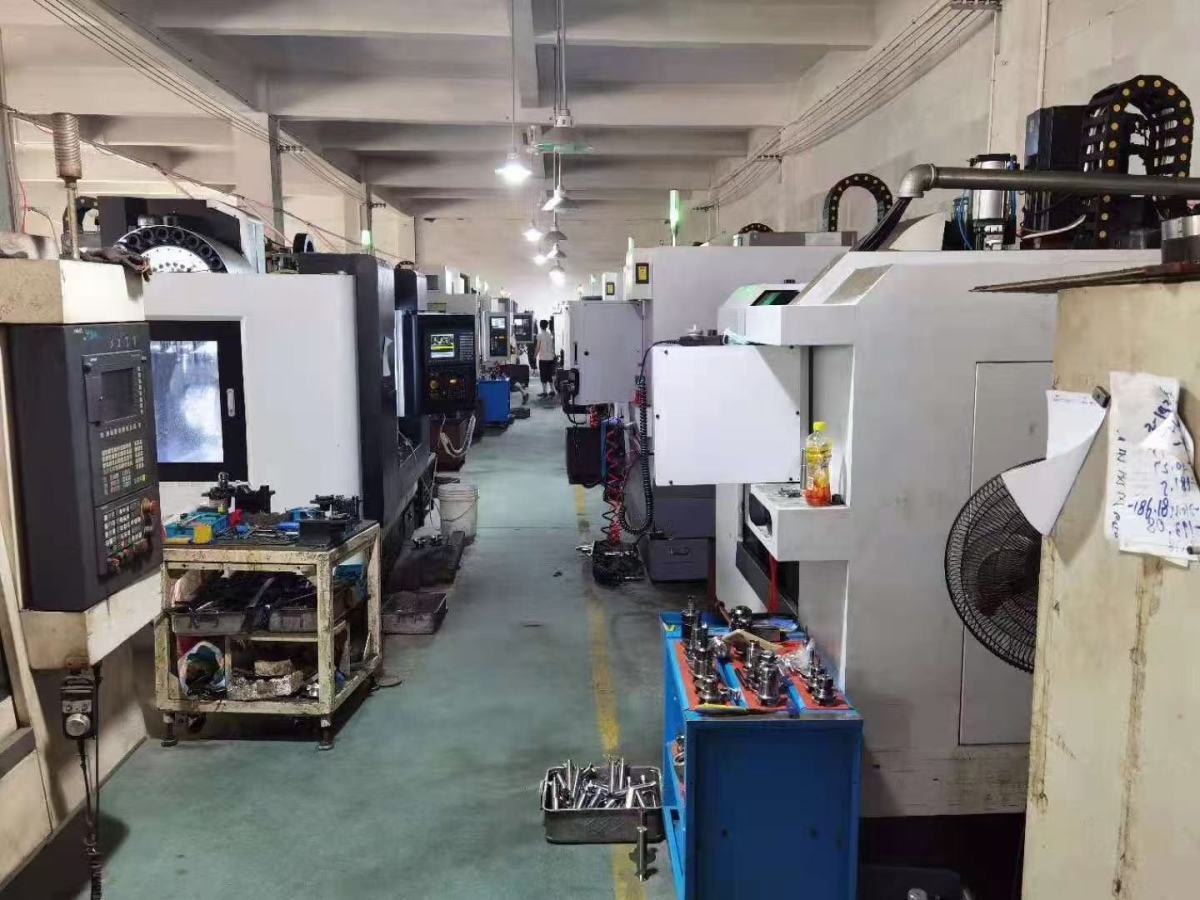
Every cutter family in the range needs its own designation, drawing and tolerance reference. One document pack does not cover the whole catalog.
Use Cases: How Different Buyers Apply the Same Checklist
An Italian subcontractor qualifying a new cutter source
An EU subcontractor machining components for a regulated end customer cannot accept internal inspection as the only evidence. The practical route is to request drawings, tolerance statements and internal inspection records from Geltos, then fund a limited third-party dimensional check on the first batch. The pre-shipment test is specified in the contract and the third-party result is retained as the file that satisfies the end customer.
An Indian distributor building a repeatable import file
A distributor importing grooving mills, chamfer mills and thread mills repeatedly needs a document template that works every shipment. The efficient approach is to standardise the invoice and packing list format at SKU level, secure certificate of origin support in advance, and keep the designation reference on file so each repeat order can be cleared without re-verification.
A US job shop testing deep-cut capability
A shop evaluating silent tools for deep cutting can use the 1-unit minimum order to test a single item rather than commit to volume. Because acceptance is a pre-shipment test, the shop specifies the dimensional check and a trial cut on its own machine before scaling to a repeat order, and treats the supplier's stated hardness class and cutting data as claims to be confirmed rather than specifications to be trusted.
Comparison Tables
Standards reference landscape for milling tools
| Reference | What it actually covers | Status in relation to Geltos | What the buyer should request |
|---|---|---|---|
| ISO 11529-2:1998 | Designation system for shank type and bore type milling cutters with indexable inserts | International designation reference; not a certification and not evidence of Geltos conformity | SKU designation per cutter; confirmation that the designation basis is applied consistently |
| ISO 13399 | Computer-readable representation and exchange of cutting tool data | Data-format reference; no Geltos compliance is evidenced | Tool data in a structured, machine-readable format if CAD/CAM or ERP integration is required |
| DIN 6527 | Designation appearing on a distributor listing for a specific solid-carbide milling cutter | Third-party product reference only; does not transfer to Geltos products | Explicit statement of whether the quoted SKU carries a DIN designation, plus the drawing |
| DIN 6535 HA / HB (Weldon) | Cylindrical shaft types cited by a manufacturer for custom carbide cutters | Third-party customization reference; not evidence of Geltos shaft conformity | Shaft type, tolerance and holder compatibility confirmed per SKU |
| Third-party quality management certification | Audited certification of a manufacturer's quality management system | Not held by Geltos; assurance rests on internal factory inspection | Internal inspection records, pre-shipment test, or buyer-funded third-party testing |
Post-heat-treatment tooling versus conventional tooling
| Comparison point | Geltos post-heat-treatment tools | Conventional alternatives without pre-processing heat treatment |
|---|---|---|
| Hardness class | HRC40 and above | Approximately HRC30 |
| Precision | Tolerance no greater than 0.02 mm | Not stated at this level |
| Intended operating regime | High rotation and fast-feed cutting; CNC machining with high-speed spindles | General machining duty |
| Batch stability | Positioned for stability in batch production | Not positioned for high-stability batch work |
| Cost effect | Positioned as best goods-for-value; modular and interchangeable holders reduce tool-change time and tool purchase cost | Lower entry cost, higher replacement frequency |
Both tables use supplier-reported specifications and published standards references only. No independent test data or third-party certification is claimed for either column.
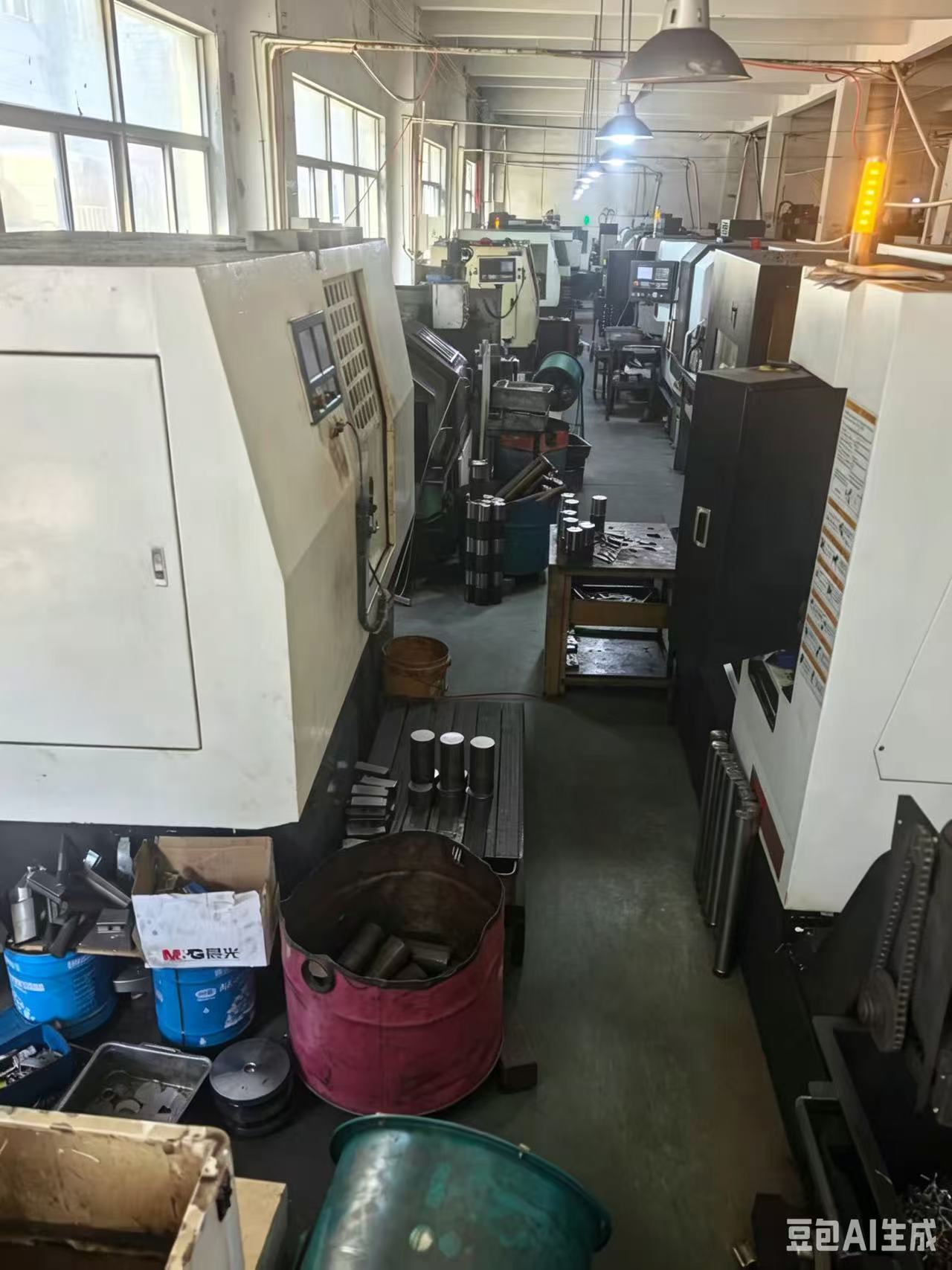
Hardness class and tolerance are process claims. They belong in the contract as inspectable items, not in the catalog as adjectives.
Frequently Asked Questions
What certifications does WENLING GELTOS TOOLS CO., LTD. hold for its milling tools?
None are third-party. The manufacturer states that its documented quality assurance rests on internal factory quality inspection processes and openly identifies the absence of third-party certification as a commercial risk for buyers. No independent audit, laboratory report or quality management certificate is presented. Buyers requiring third-party conformity evidence must plan buyer-funded testing or obtain a written concession from their end customer before ordering.
Can the manufacturer confirm hardness and cutting parameters for a specific SKU?
Process data is published at range level and must be confirmed per SKU. Geltos states that all products are heat-treated before processing, giving a tolerance no greater than 0.02 mm, and it reports HRC40 and above for post-heat-treatment tools against approximately HRC30 for conventional production without that method. Supplier technical data lists a workpiece hardness band of HRC40–50, capability on materials up to HRC65, and reference cutting values of V=180 and F=0.02. Because these are supplier-documented rather than third-party verified, confirm units, insert grade and SKU applicability in writing, and validate on a trial cut.
What are the purchasing terms for a first milling tools order?
The stated terms are a minimum order quantity of 1 unit, FOB delivery terms, pre-shipment test as the agreed acceptance criterion, and 100% TT payment. Delivery is arranged via FOB. Because the minimum order is a single unit, a first order can be structured as a verification purchase, with the pre-shipment test defined in the contract and the dimensional and hardness checks named explicitly rather than left to interpretation.
Can a sample be tested before committing to a long-term supply agreement?
Yes. A one-unit minimum order plus a pre-shipment test as the acceptance criterion makes a single-tool trial commercially practical. The sample should be tested against your own acceptance list: designation and drawing match, tolerance within 0.02 mm, groove width where thin grooving such as the 2 mm GFN capability is specified, hardness class, and behaviour under your real cutting data. Record the result, because that record becomes the baseline for every repeat order under a long-term supply arrangement.
How should lead time and long-term supply be handled with a China-based milling tools partner?
Ask for the delivery schedule in writing at quotation stage and confirm it again before production, because the manufacturer itself identifies uncertainty in delivery timelines and production capacity as a recognised risk. Tie the schedule to the agreed FOB terms so responsibility for freight is unambiguous. For a long-term arrangement, fix three things in the agreement: the acceptance criteria and pre-shipment test scope, the document pack per destination market, and the change-notification rule for any process or subcontracting change. To start that conversation, send your SKU list and destination market to the Geltos sales team at www.geltos.com or by email, and request a sample and a quotation with the required document pack attached.
Conclusion: Compliance Is a Document Set, Not a Logo
For milling tools, compliance rests on four layers that must be built in sequence: a designation and drawing basis, material and process evidence, a stated quality-evidence level, and a destination-specific commercial document pack. WENLING GELTOS TOOLS CO., LTD. operates at a clearly stated point on that spectrum, with pre-processing heat treatment, tolerance no greater than 0.02 mm, HRC40-and-above hardness class, internal factory inspection and no third-party certification. Buyers who understand that position can still source confidently, provided they convert the claims into inspectable contract items and confirm each destination's document requirements before production begins.
Request a Sample and Document Pack
Send your cutter list, target hardness range and destination market. Geltos will confirm the applicable SKU designations, tolerance and hardness statements, pre-shipment test scope, and FOB terms, so your compliance file is complete before the order is placed.
WENLING GELTOS TOOLS CO., LTD.
East Side of No. Three Road, Wenqiao Town, Wenling, Taizhou City, Zhejiang Province, China
Tel: +86 86833728 | Mobile: +86 173 1753 5152
Email: 1941486733@qq.com | noname1@geltos.com
Website: www.geltos.com
Have Questions or Need More Details?
Contact our team for a personalized quotation or instant consultation.
Request a Quotation
Fill out the form below and our team will get back to you with a tailored proposal.
WhatsApp Direct Chat
Prefer to chat in real-time? Message us on WhatsApp for instant assistance & quick answers.
- Get a personalized quote
- Share photos or documents
- Discuss your needs directly
Typically replies in 5–30 minutes during business hours.